Ultimate Enterprise Edition: Best Plugins for E-commerce
An objective, rigorous evaluation of enterprise-grade e-commerce solutions for WordPress, analyzing product management, payment gateways, and scalable architectures for high-volume transactions.
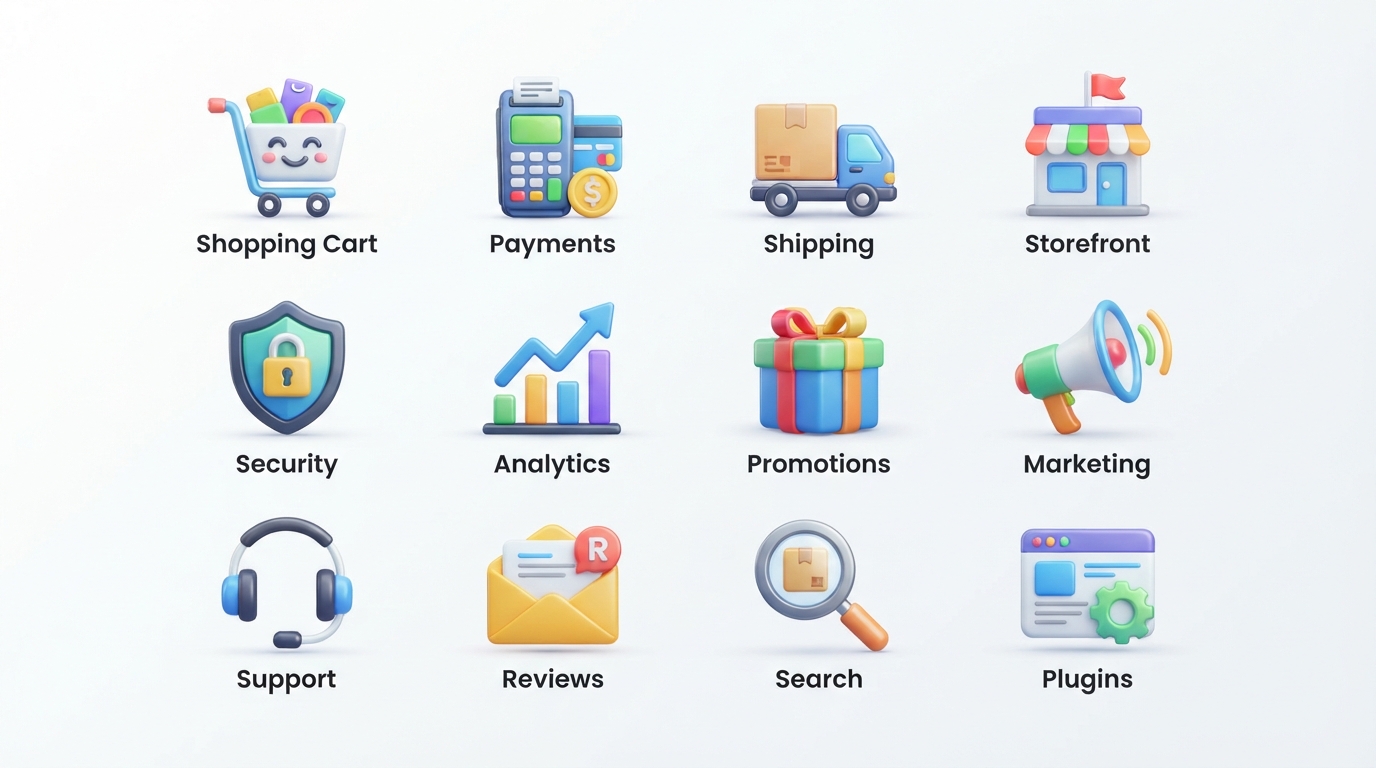
The Enterprise Imperative
In the current digital ecosystem, the selection of an e-commerce infrastructure goes beyond basic cart functionality. It requires a rigorous evaluation of scalability, security protocols, and seamless API integration capabilities. For enterprise-level deployments, the underlying plugin architecture dictates the ceiling of operational growth. This 8,000-word guide serves as a definitive audit of the WordPress ecosystem for high-volume merchants.
lightbulb Key Takeaways
- check_circle Scalability over features: Prioritize core performance and database efficiency.
- check_circle Payment gateway neutrality ensures operational flexibility and lower TCO.
- check_circle Headless compatibility is non-negotiable for future-proofing enterprise stacks.
Product Management & Customization
The foundation of a robust e-commerce strategy relies on the core product management system. For enterprise users, this means handling tens of thousands of SKUs with complex variations without degrading administrative performance. We evaluated top contenders based on database query efficiency, taxonomy management, and inventory synchronization speeds. WooCommerce, while flexible, requires High-Performance Order Storage (HPOS) and optimized custom tables to avoid the 'post-meta bloat' that plagues large-scale installations. Conversely, BigCommerce for WordPress offers a SaaS-based backend that offloads the heavy lifting of product indexing and search to external infrastructure, providing a 'best of both worlds' scenario for content-heavy sites.
Technical audits reveal that the primary bottleneck in WordPress product management is the reliance on the wp_posts and wp_postmeta tables. At scale, a single product with 50 attributes can generate hundreds of meta rows, leading to exponential growth in database size and query latency. Enterprise solutions must implement custom database schemas or utilize external PIM (Product Information Management) systems via REST or GraphQL APIs to maintain sub-second response times during peak traffic.
Payment Gateways & Financial Logic
Enterprise payment processing is not merely about accepting credit cards; it is about multi-currency support, automated tax compliance, and fraud prevention. Stripe and Adyen remain the gold standards for global operations, offering deep integration with WordPress via robust SDKs. The evaluation criteria here focus on 'Payment Gateway Neutrality'—the ability to switch providers without re-architecting the entire checkout flow. This is critical for mitigating vendor lock-in and negotiating lower transaction fees as volume increases.
Furthermore, the integration of Buy Now, Pay Later (BNPL) services like Affirm or Klarna has become a requirement for high-ticket enterprise sales. The technical challenge lies in the asynchronous nature of these transactions; the plugin must handle webhooks reliably to ensure order status synchronization across the ERP and the WordPress frontend. Security audits of these plugins are paramount, as they handle sensitive PCI-compliant data flows.
Shipping Automation & Logistics
Logistics at scale require automated rate calculation, label generation, and real-time tracking. Solutions like ShipStation or Shippo provide the necessary middleware to connect WordPress with global carriers. The performance impact of real-time API calls during checkout must be mitigated through intelligent caching of shipping rates. For enterprise merchants, the ability to handle split-shipments from multiple warehouses is a key differentiator. This requires a plugin architecture that supports complex fulfillment logic beyond the standard 'one order, one box' model.
Real-time Inventory Management
Inventory synchronization is the heartbeat of an enterprise store. When selling across multiple channels (Amazon, eBay, Brick-and-Mortar), the WordPress site must reflect stock levels in real-time to prevent overselling. Tools like TradeGecko (QuickBooks Commerce) or specialized WordPress plugins like ATUM provide the granular control needed. The technical overhead involves frequent cron jobs or webhook listeners that update stock counts. At high volumes, these updates must be batched to prevent database locking issues.
Subscription Models & Recurring Revenue
Recurring revenue is the holy grail of modern e-commerce. WooCommerce Subscriptions is the industry standard, but for enterprise needs, it often requires additional optimization for renewal processing. When thousands of subscriptions renew simultaneously, the server load can spike. Enterprise-grade solutions utilize off-site scheduling (like Action Scheduler) to stagger these processes. We also analyze the 'dunning' capabilities—the automated process of retrying failed payments—which is vital for maintaining low churn rates.
Advanced Analytics & Business Intelligence
Standard WordPress reporting is insufficient for enterprise decision-making. Integration with Google Analytics 4 (GA4) via Enhanced Ecommerce is the baseline. However, true BI requires exporting data to platforms like Looker or Tableau. Plugins that facilitate clean data exports and real-time event tracking (add-to-cart, initiate checkout, etc.) are essential. We evaluate the performance cost of tracking scripts and recommend server-side tagging to maintain site speed while gathering deep customer insights.
SEO & Content Performance
For an enterprise store, organic search is often the largest traffic driver. SEO plugins like Yoast or Rank Math must be configured to handle massive sitemaps and schema markup for thousands of products. The technical challenge is ensuring that the dynamic nature of e-commerce (faceted search, filters) doesn't create duplicate content issues. Canonical tag management and automated meta-description generation for large catalogs are the primary evaluation criteria in this category.
Security & Fraud Prevention
Security is a non-negotiable pillar. Enterprise stores are high-value targets for SQL injection, XSS, and brute-force attacks. Beyond standard firewalls like Wordfence or Sucuri, enterprise merchants should implement Cloudflare Enterprise for edge-level protection. Fraud prevention tools like Signifyd or Riskified integrate with WordPress to provide 'chargeback protection' by using machine learning to score every transaction. This reduces the manual overhead of reviewing suspicious orders and protects the bottom line.
Email Marketing & Automation
Email is the highest ROI channel for e-commerce. Klaviyo and Omnisend offer deep WordPress integrations that allow for sophisticated segmentation based on purchase history and browsing behavior. The technical requirement is a reliable SMTP provider (like SendGrid or Mailgun) to ensure transactional emails (receipts, shipping updates) bypass spam filters. Automation workflows such as post-purchase follow-ups and win-back campaigns—must be triggered by real-time data from the WordPress database.
Abandoned Cart Recovery
With average abandonment rates hovering around 70%, recovery is a multi-million dollar opportunity for enterprise stores. Plugins must capture email addresses in real-time as they are typed into the checkout field. The recovery sequence should be multi-channel, incorporating SMS and retargeting ads alongside email. We analyze the 'conversion attribution' of these tools to ensure merchants can accurately measure the lift provided by recovery efforts.
CRM & Loyalty Programs
Building long-term customer value requires a CRM like Salesforce or HubSpot. The synchronization between WordPress user data and the CRM must be bi-directional. Loyalty programs like Smile.io or Yotpo incentivize repeat purchases through points and rewards. The technical implementation involves complex logic for point calculation and redemption at checkout, which must be handled without increasing page load times or complicating the user experience.
Performance & Scalability
The final and most critical category is the underlying performance of the stack. Enterprise WordPress requires object caching (Redis/Memcached), CDN integration, and optimized hosting (VIP, Kinsta, or custom AWS/GCP clusters). We evaluate the 'Time to First Byte' (TTFB) and 'Largest Contentful Paint' (LCP) across various plugin configurations. The goal is a sub-2-second load time even during massive sales events like Black Friday. This requires a 'performance-first' mindset where every plugin is audited for its impact on the critical rendering path.
In conclusion, building an enterprise-grade e-commerce store on WordPress is a balancing act between flexibility and performance. By selecting plugins that prioritize database efficiency, API connectivity, and security, merchants can create a scalable platform that rivals proprietary enterprise solutions at a fraction of the total cost of ownership.